
Europe · Window Manufacturer
Anglian Home Improvements — Window Cleaning Guide
🇬🇧 United Kingdom · Last reviewed by Justin Orloff
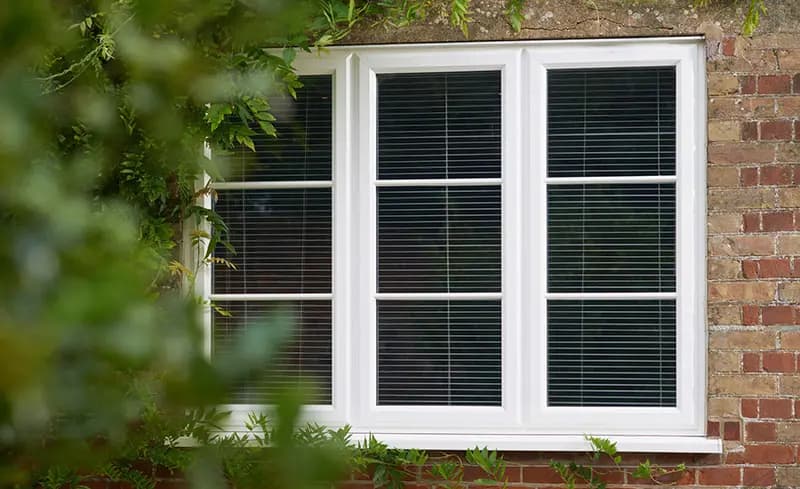
Quick Facts
founded
1966, Norwich, England
hq
Norwich, UK
primaryMaterials
uPVC, Aluminium, Composite
glazingPartner
Third-party glazing units (A-rated, triple glazing standard on newer installs)
marketTier
Mid-Range
Brand at a Glance
- Founded: 1966
- HQ: Norwich, England, UK
- Type: Retail installer - not a profile or glass manufacturer
- Frame materials: uPVC (EnergyPlus range), aluminium, composite
- Glazing: Triple glazing standard on recent installs. Double glazing on older homes. A-rated energy efficiency.
- Key products: Casement windows, tilt-and-turn, sash windows, bi-fold doors, patio doors, conservatories, orangeries
- Warranty: 10-year guarantee on windows and doors (installation and product combined)
- Where they sell: Nationwide UK - direct-to-homeowner retail model
- Official care page: Anglian publish basic care advice on their website (warm soapy water, avoid abrasives)
- Find a dealer: anglian.com/contact - local showrooms and survey appointments
Product Range
- EnergyPlus uPVC Windows
- Aluminium Windows
- Composite Doors
- Conservatories and Orangeries
Why This System
Installer not manufacturer - Anglian buys in profiles and glazing, so the exact product in any home varies. Identify the frame material before choosing a care routine. 10-year combined guarantee - covers both product and installation, which is unusual in the retail window market. Nationwide UK coverage - the largest direct-to-homeowner window installer in Britain, meaning more Anglian windows are in UK homes than any other single brand. uPVC-first - the vast majority of Anglian's install base is white uPVC casement, making correct uPVC frame care especially important. Basic official care guidance - Anglian's published care advice covers what not to use, not how to clean. Technique is the gap.
Step 1 of 2: Manufacturer Recommendations
Official Care Guidance
Source: ORLOFFS PROFESSIONAL GUIDANCE - BASED ON ANGLIAN'S PUBLISHED CARE ADVICE AND 25 YEARS FIELD EXPERIENCE ON UK uPVC AND ALUMINIUM SYSTEMS
Glass
- Clean glass 2–4 times per year using a professional squeegee and washer sleeve with warm water and a small amount of mild detergent.
- Work top to bottom in overlapping passes. Wipe the squeegee blade after every stroke - a dirty blade leaves a dirty line.
- On tilt-and-turn windows, tilt the sash inward to clean the outer face from inside. Do not lean out.
- Avoid abrasive cloths, scourers, or window-cleaning sprays containing acetone or alcohol - these attack the glass coating and the frame finish.
uPVC Frames
- Wipe frames with warm water and a soft cloth or sponge. A small amount of washing-up liquid is sufficient.
- For staining or ingrained grime, use a uPVC cleaner such as One Cream or Doff uPVC Cleaner. Apply with a soft cloth and rinse thoroughly.
- Never use white spirit, WD-40, bleach, or cream abrasive cleaners on uPVC frames - these strip the surface finish and cause irreversible yellowing.
- Rinse the frame base and drainage slots at the end of every clean to prevent detergent buildup blocking the weep holes.
Hardware and Seals
- Lubricate hinges, locking cams, and handles once a year with light machine oil or a silicone-based lubricant. Wipe off excess.
- Inspect rubber gaskets and weatherseals annually. Cracked or compressed seals reduce thermal performance and should be replaced.
- Check that all locking points engage fully. Stiff hardware is a sign of misalignment - address it early to avoid frame damage.
- Anglian's 10-year guarantee requires evidence of maintenance - keep a simple log of clean dates and any repairs for warranty claims.
Step 2 of 2: The Orloffs Protocol
The Orloffs Protocol
This is how I clean Anglian Home Improvements windows. The tools and technique below come from 25 years of daily professional work on the glass. Every step has been tested on real installations and adapted specifically for Anglian Home Improvements systems.
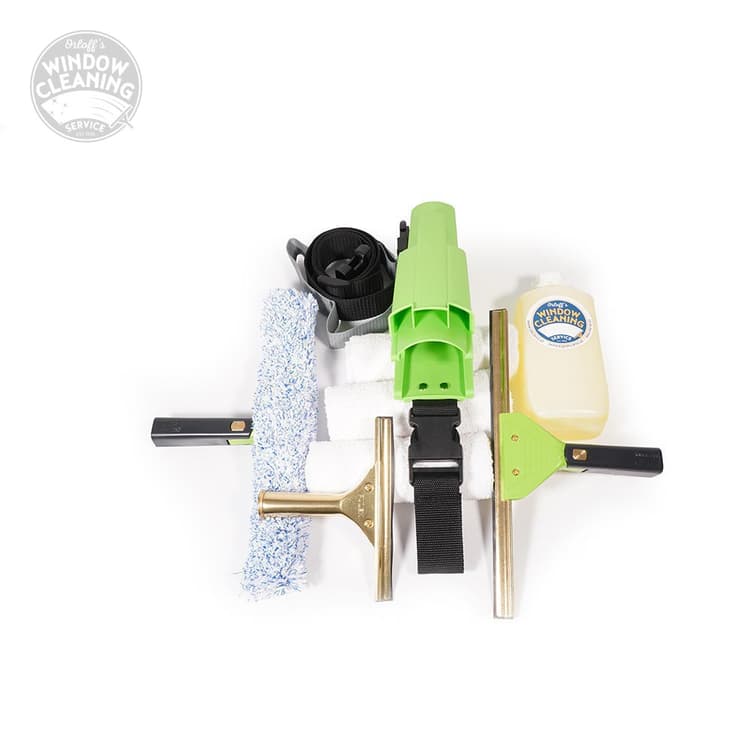
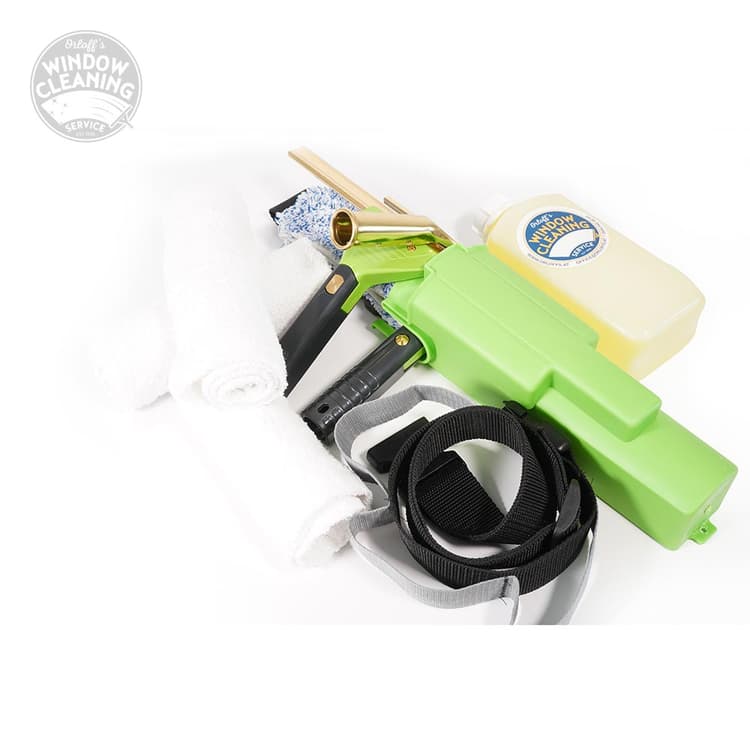
Pro Tools
My daily tool list. This is what I carry to every job.
Follow these steps in order. Each one builds on the last. This is the same sequence I use on every Anglian Home Improvements installation.
- 1
Preparation -- before any water touches the glass
Fill the bucket with at least 10 litres of water. Add soap for cleaning power -- enough to cut through environmental deposits, not so much you are fighting foam.
Before touching the glass, brush down the surface to remove loose dust, spiderwebs, and debris. Any grit left on the glass during the wash phase risks scratching during agitation.
Check the aluminium frame condition before you start. Confirm which cleaning product is safe for that surface before opening any bottle.
Cover anything below the windows that cannot be moved.
- 2
Agitation -- apply and work the solution
Dip the microfiber T-bar completely into the soap water, both sides. Remove excess water with your hand so it does not drip. Apply the solution across the entire glass surface with overlapping passes.
The goal is to fully dissolve and release every deposit from the glass surface. Anything not released during agitation gets transported across the glass by the squeegee as a smear.
For stubborn spots -- insect marks, salt residue, environmental deposits -- re-apply soap water and allow it to soak for a full minute before agitating again. Use more soap water, not more pressure.
For panels above arm reach: attach the T-bar to an extension pole. Work in sections -- top first, then middle, then bottom -- keeping each section wet until you squeegee it.
Rinse the T-bar cover regularly during the job. A dirty applicator causes microscopic scratches that accumulate over time.
- 3
Detail the frame edge before squeegeeing
Use your 100% cotton towelling rag, finger pressed into the fabric, to work into every junction and remove pooled soap water before the squeegee pass.
This prevents drips running down onto already-cleaned areas during squeegeeing and keeps soap water out of drainage channels.
On Anglian aluminium frames, pay particular attention to the bottom edge where glass meets the frame sill -- water pooled here runs into drainage openings and leaves residue over time.
- 4
The squeegee
Tilt the squeegee at a slight angle so soap water spills from one side of the channel only -- not both. If the rubber is jumping or squeaking, either the rubber is not lubricated enough or the glass surface has warmed.
Cutting in: start with the rubber blade making first contact on a dry edge of the glass.
Side to side: horizontal passes across the panel. Works well on wide sections. Top to bottom: vertical passes down the panel. Works well on tall narrow sections.
The J tune: one smooth unbroken motion top to bottom, wrist rotating at each end to reverse without lifting the rubber. The most efficient method on larger panels -- but it requires training before applying it to premium glass.
Wipe the rubber dry after every pass. Overlap each stroke by 2-3 cm.
- 5
Final edge detailing
After squeegeeing, there is always a residual line of water along the bottom edge and at the panel sides. Take a dry cotton rag, fold to a clean corner, and detail these edges in one smooth pass.
On Anglian frames, the bottom edge where glass meets the sill requires the most careful attention. Water left here runs into drainage and leaves residue that affects the next clean.
Rotate the rag to a clean section after every pass. If the rag picks up grit at any point, replace it immediately.
- 6
Frame wipe and hardware check
On Anglian powder-coated aluminium frames: use pH-neutral cleaner only, never abrasive pads or steel wool. Dry immediately after wiping.
Check that all drainage openings are clear and unobstructed. Water must be able to flow freely -- a blocked channel leads to accumulation that affects seal performance over time.
Operate every opening window through its full range. Stiff handles or resistance at locking points indicate hardware that needs lubrication. Flag it to the owner rather than forcing it.
Pro Tips
- Anglian casement windows have a bottom rail that sits against a rubber compression seal when closed. If you force water behind this seal during cleaning, you push moisture into the cavity. Keep your squeegee pressure light at the bottom edge.
- White uPVC shows everything. Clean in the morning or in shade - direct sunlight dries your cleaning solution before you can squeegee it off, leaving smears.
- The tilt-and-turn function is your friend for outer glass access. Use it - do not lean out or use ladders for low-level windows.
- Anglian's warranty requires maintenance. A simple log with clean dates costs nothing and protects a significant financial investment.
- If your Anglian frames have yellowed, they can be restored with a purpose-made uPVC restorer. Do not try this with cream cleaners - they contain micro-abrasives that will make the surface microscopically rougher, attracting more dirt.
- Check the mastic seal around the outer frame against the brickwork every couple of years. A cracked seal allows water to enter the wall cavity, not just the window - it is a structural issue, not just an aesthetic one.
- On Anglian conservatories, the glazing bar junctions where roof panels meet vertical frames are the highest-risk areas for water ingress. Clear these with a brush before every clean.
What NOT To Do
- Never use white spirit, WD-40, bleach, or cream abrasive cleaners on uPVC frames - permanent yellowing results.
- Do not use a pressure washer on Anglian windows - the force drives water behind the glazing bead and destroys the seal.
- Never use steel wool, scourers, or abrasive pads on glass or frames.
- Do not ignore blocked drainage slots - this is the most common cause of seal failure and voided warranty claims.
- Do not attempt to dismantle or re-seal glazing beads yourself - contact Anglian directly under warranty.
Bundle Kits and Tool Recommendations
Bundle Kit
Cleaning Frequency
Glass: 3–4× per year (Spring, summer, autumn, winter on exposed UK homes. At minimum spring and autumn.). uPVC frames: 2× per year (Mild soapy water, rinse and dry thoroughly.). Drainage slots: Every clean (30 seconds per window - the most important maintenance step.). Hardware: 1× per year (Light oil on all moving parts. Check locking points and weatherseals.)
Frequently Asked Questions
Field Notes
“Anglian windows fitted before 2010 may have double-glazed units rather than triple. These are more susceptible to condensation between panes - this is a failed sealed unit, not a cleaning issue. Some Anglian installations in coastal areas have shown earlier weatherseal degradation due to salt air. Annual checks are especially important within 2 miles of the coast. Anglian's sash windows (vertical sliders) have different drainage requirements from casement windows - the drainage is typically at the side of the track, not the bottom of the outer frame.”
Justin Orloff
What's next for you?
The Skill
New to window cleaning?
Start with the core techniques before tackling premium systems.
Start Learning →The Standard
Upskill your team
Covers every system, product type, and tricky scenario.
View The Standard →Manufacturer
Partner with Orloffs
Are you Anglian Home Improvements or a similar manufacturer? Let's create official cleaning guidance together.
Get in Touch →